The Central Inquiry & Positionality
For thirty years, I have pursued one question: What conditions allow communities and places to imagine and govern their own futures?
The question came long before the career. I am a Guatemalan-born, transborder futurist and designer who knows what it costs to navigate places without a pre-existing map. Grounded in three decades of national campaigns, movement building, policy strategy, and human rights defense, my work centers on cities, watersheds, and the communities building agency within them.
I design conditions. The tools shift—speculative design, experiential futures, popular education, policy advocacy, and law—but the core inquiry remains constant: who has standing, whose knowledge counts, and how far into the future are we willing to look?
amalia deloney
My recurring terrain is cities, small towns, watersheds, and the communities navigating between them.
Four Pillars of Practice
Policy Strategy, Movement Building & Governance (JD): Grounded in more than two decades of national campaigns, policy advocacy, movement organizing, and strategic grantmaking, my background in law and governance gives me a practical understanding of institutional power, policy frameworks, and how decisions move through systems.
Design for Social Innovation (MA Candidate): Completing an MA in Design for Social Innovation, I combine practice-based design research, and creative experimentation —including digital and interactive artifacts — that make complex social and civic questions tangible and debatable.
Community Scale & Narrative Practice: My work focuses on the local and community scale—a rural county, a small town, or a city block—where decisions directly touch daily life. As a 2026 Belonging Innovation Lab Narrative Fellow and Baltimore Mayor’s Individual Artist Award recipient, my research examines how local stories, digital media, and collective memory shape civic choices.
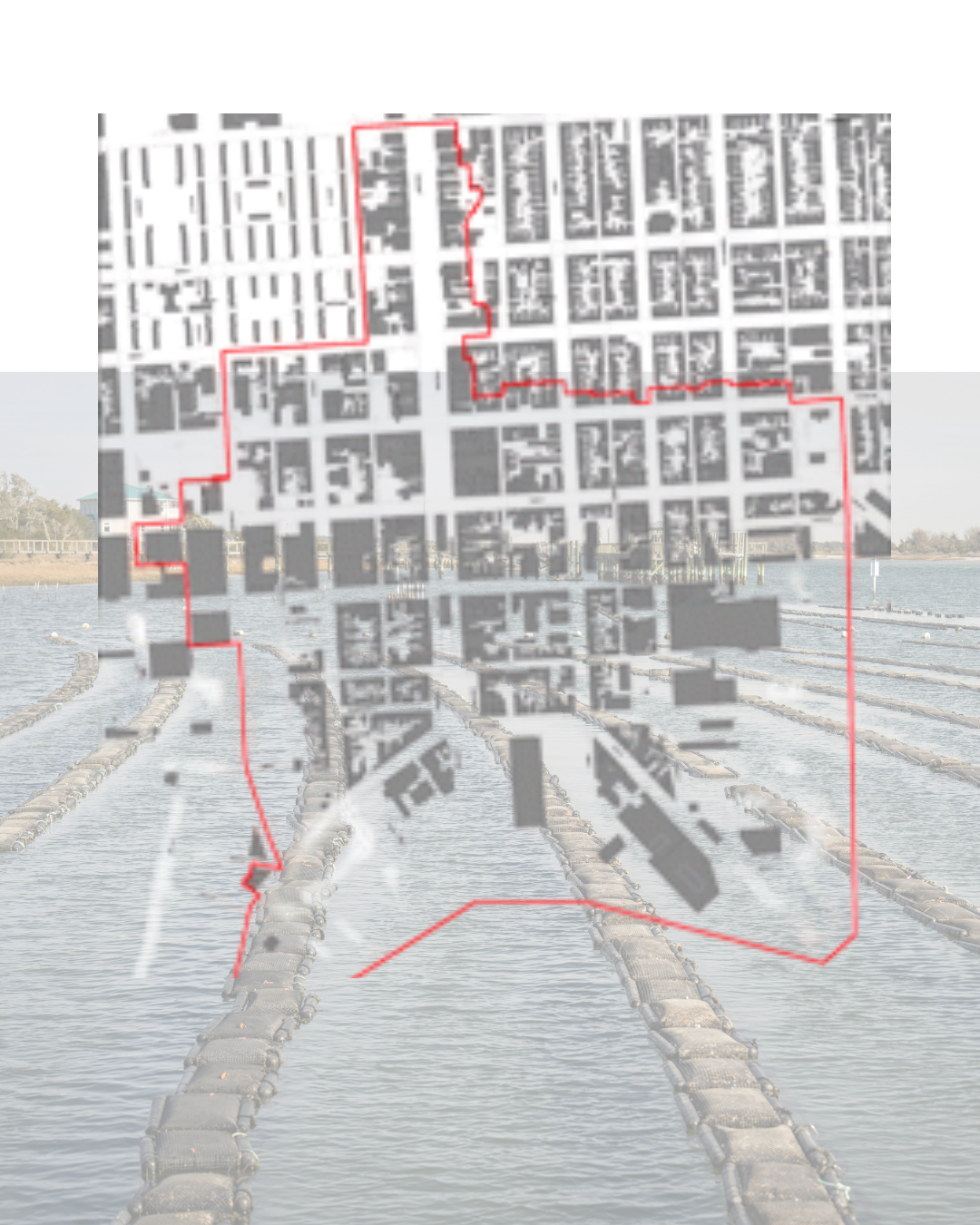
Regenerative & Systems Design: Moving beyond short-term planning, my practice incorporates rivers, watersheds, and local ecosystems into decision-making—treating place, history, and natural systems as active partners in shaping what gets built next.
What Guides My Work
Governance as the core — prioritizing consent, agency, and genuine decision-making authority over superficial participation.
Long-horizon planning — helping leaders navigate climate transitions and deep uncertainty rather than reacting with short-term, quick fixes.
Communities as primary civic sites — working at the scale of a rural county, a small town, or a city block where governance actually touches daily life.
Grounded intelligence — centering lived experience, ancestral memory, and ecological context as essential foundations for decision-making.