A Field Almanac for Listening: Charlotte
Futures worth inheriting begin with listening to what's already here.
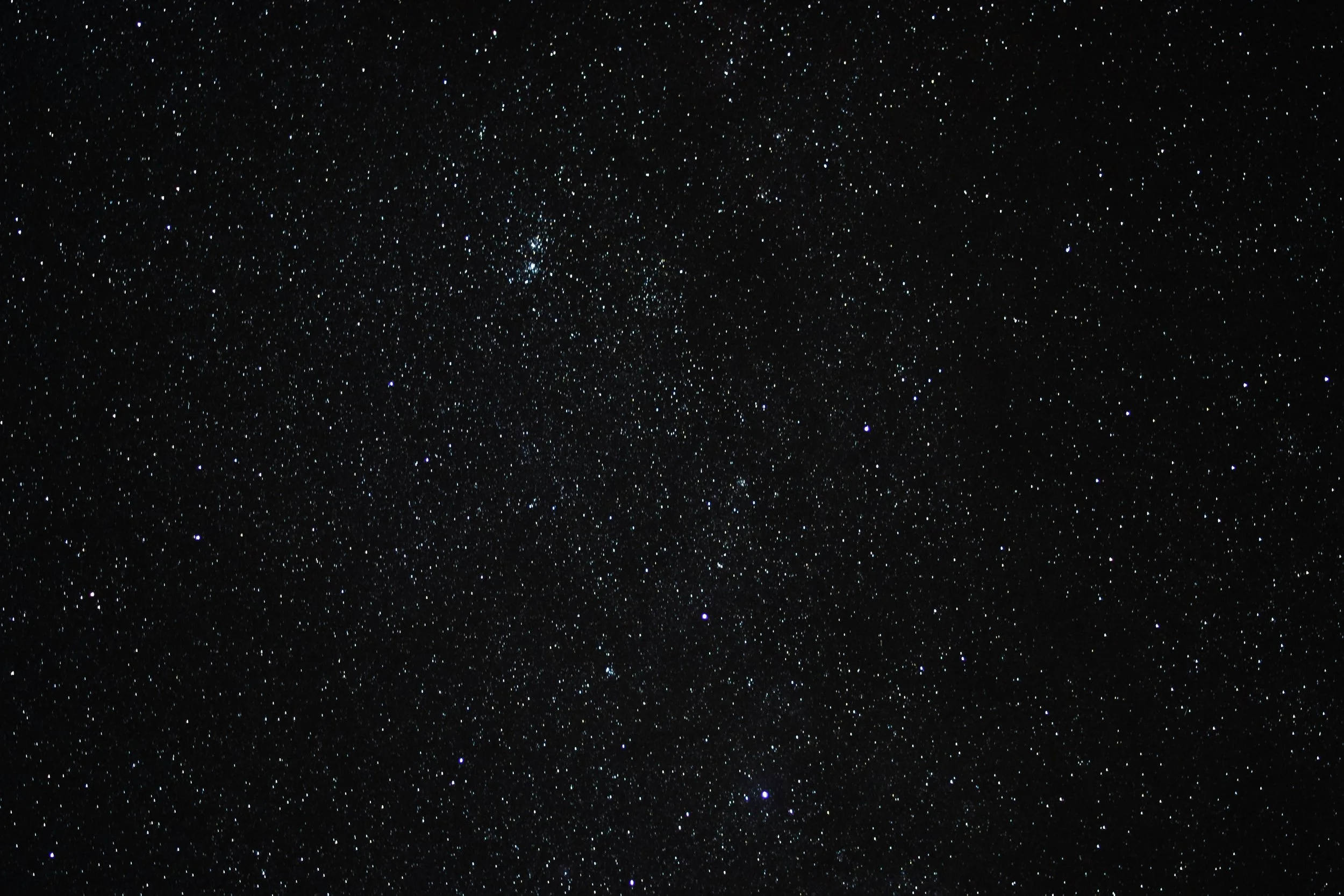
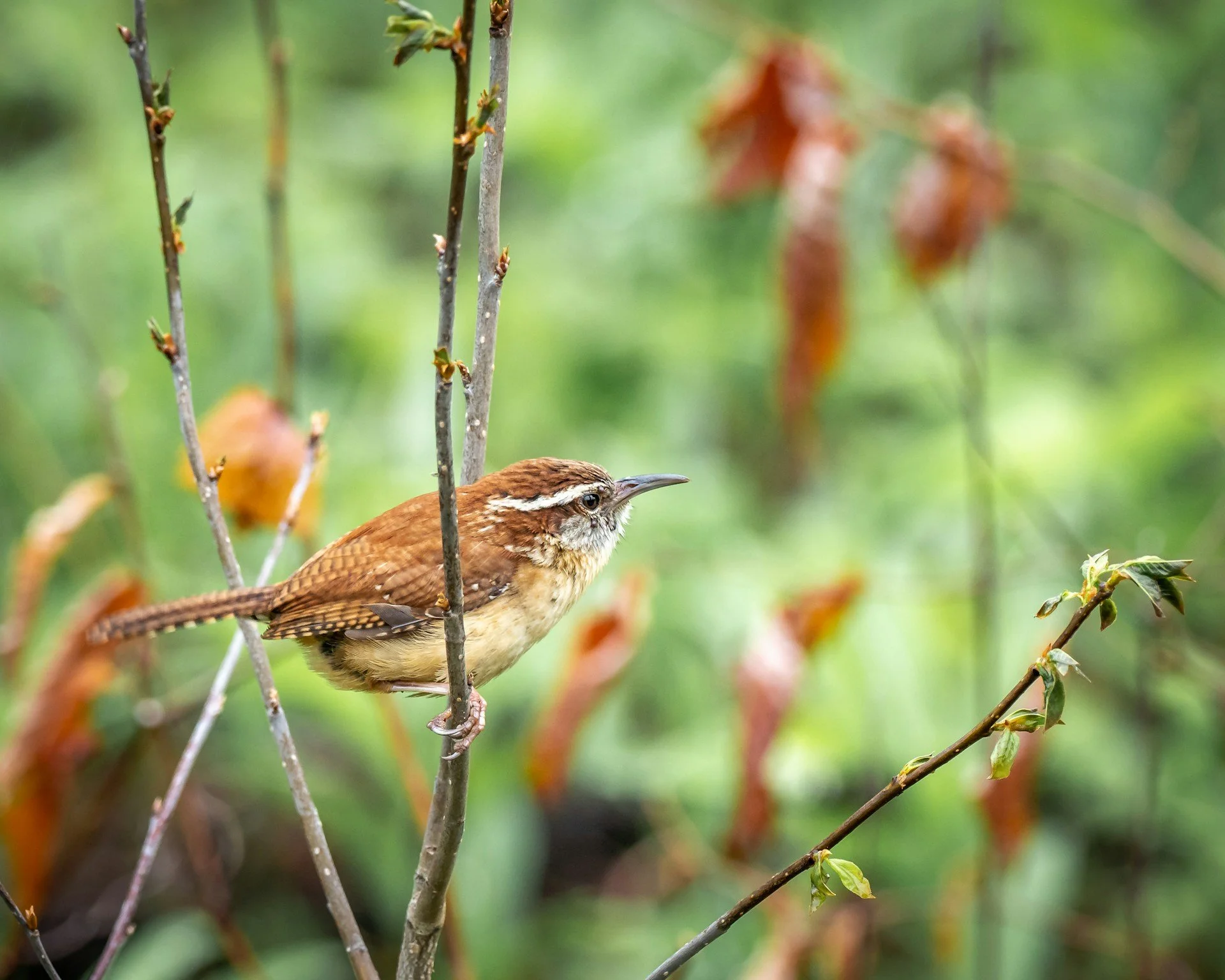
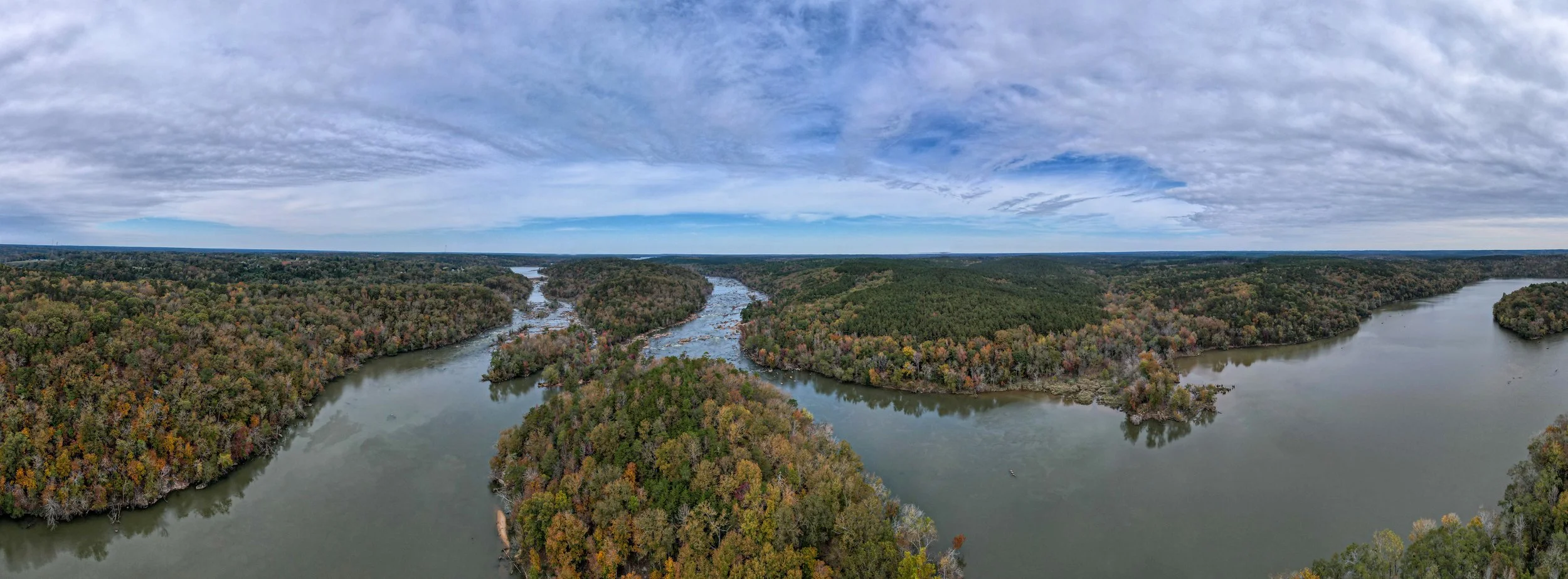
Three images that show from left to right: a dark star-filled sky, a Carolina Wren, and the Catawba River Basin. The night sky is dense with white stars against black, a faint bright cluster glowing near the upper left. The wren perches on a thin bare branch amid green foliage and rust-colored leaves, its rufous back, barred wings, and pale eyebrow stripe visible in profile. The river basin is an aerial view: a wide, winding blue-gray river cutting through forested land in autumn shades of green, orange, and brown, under a partly cloudy sky.
The Background:
This almanac grew out of returning to Charlotte after time away — and out of a Belonging Innovation Lab Narrative Fellowship. Charlotte is one of the fastest-growing cities in the country. People are arriving from across the Carolinas, across the country, and across the world — moving toward opportunity, away from climate pressure, or simply looking for home. Returning raised questions I didn't want to answer with a market report, a news story, or a policy brief: What does it mean to re-know a place? Who belongs here? What are we building, and for whom?
A more-than-human approach helped me hold these questions differently. When we work in deep time — recognizing that the Catawba Nation has been present along this river for at least 6,000 years, that the water itself has been cycling through this land for billions — human claims to expertise based on arrival date begin to look very small. Not wrong, but incomplete. There are older residents, older relationships, older knowledge systems than any of us can claim.
Cities are not blank canvases. They are already full of knowledge, memory, and relationships that precede any plan or policy.
This almanac uses design action to help us return to these relationships — to think more holistically, more inclusively, and more imaginatively about who Charlotte is for, and who gets to shape what it becomes.
The steps don't build on each other. They echo the same whole place from five different angles — water, sound, cracks, sky, and people — using design to expand how we listen and what we notice before we decide anything.
Deep Time & Long Horizons
Most planning looks in one or two directions: forward to the next project, or back to what was here before. This almanac asks you to hold both at once — and to stretch much further in each direction than feels comfortable.
The past runs deep — deeper than any living memory, deeper than any archive. Many of us can hold a few generations in our minds. Deep time asks us to hold millions of years, and to let that scale change how we see the present. What looks urgent shrinks. What looks permanent reveals itself as recent. What looks like expertise reveals itself as a very short tenure on very old ground.
The future runs long. What would you want someone to find here, fifty years from now? Not a plan. A practice of imagining forward — holding future generations as real participants in decisions being made right now, whether they are acknowledged or not.
Gratitude & Inspiration
Roberto Bedoya — PlaceKeeping: the active civic practice of belonging, tending what matters in a place while making room for what's coming.
Marcia Bjornerud — Timefulness: placing human decisions inside geological timelines changes how we see the present.
The Catawba Nation — The Catawba Nation has lived on their ancestral lands along the Catawba River for at least 6,000 years.
Vincent Ialenti — Deep time reckoning: learning to hold vast past and future timescales simultaneously changes what decisions look possible.
Dr. Theodore Jojola — PlaceKnowing: knowing a place must precede deciding its future.
The Long Now Foundation — Expanding the frame of human responsibility from years to centuries, and centuries to millennia.
Songbirds and Vocal Learning — Songbirds learn their songs from the birds around them, the same way people learn language.
The Twenty Senses — Each step engages a different primary sense: temperature (water), hearing (sound), touch (cracks), sight (sky), balance (movers).